
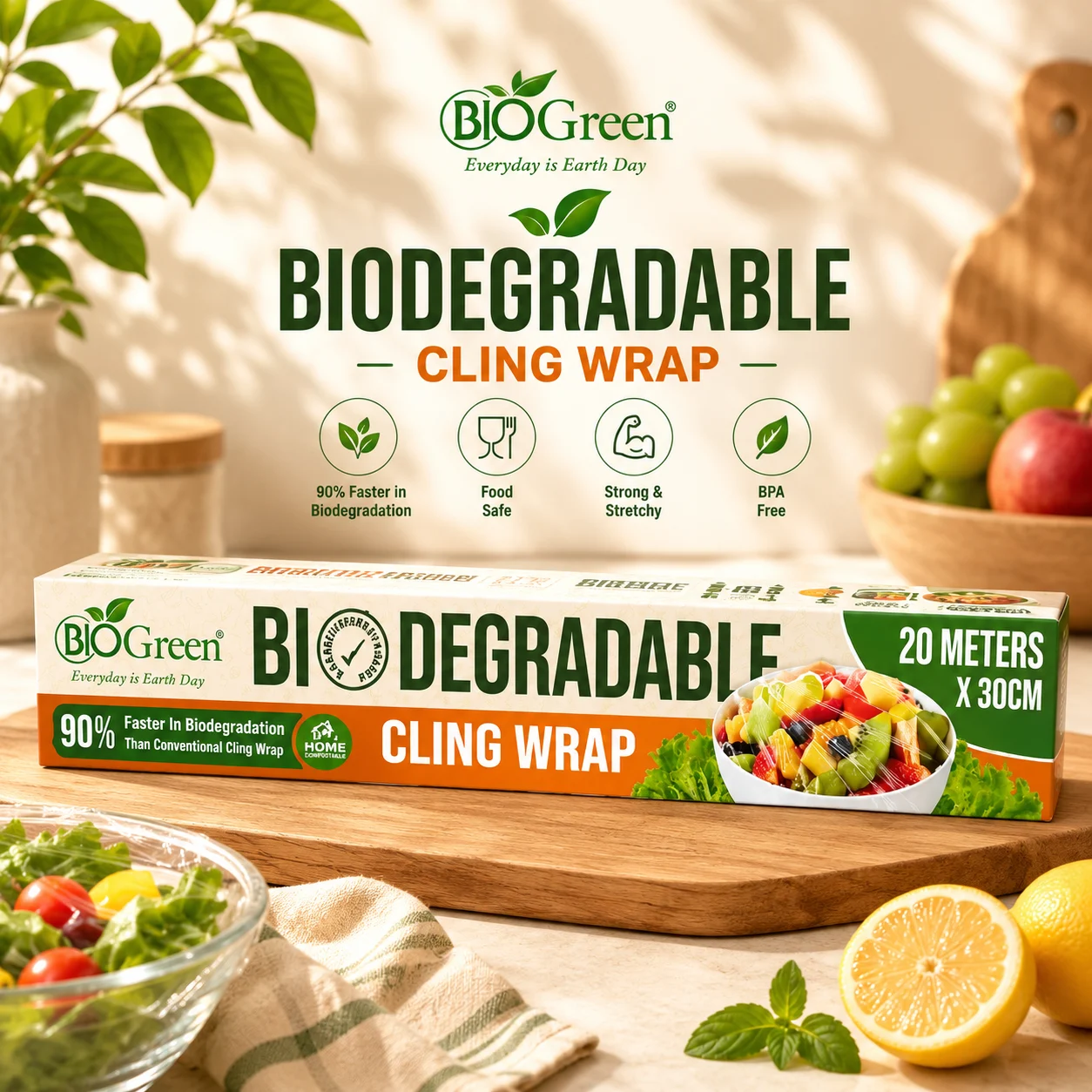
Plastic Wrap for Food Storage: A Practical Guide for Restaurants, Cafés, and F&B Businesses

Plastic wrap is one of the most commonly used food packaging items in kitchens, restaurants, cafés, catering businesses, and households. Although it looks simple, this thin and transparent food wrap plays an important role in keeping food fresh, clean, and protected during preparation, storage, and transportation.
In Singapore’s fast-moving F&B industry, food freshness and hygiene are extremely important. Restaurants need to prepare ingredients in advance, cafés need to store pastries and sandwiches properly, and catering businesses need to protect food during delivery. This is where high-quality plastic wrap becomes a daily kitchen essential.
Also known as cling film, food wrap, or transparent food wrap, plastic wrap helps seal food tightly and reduce exposure to air, moisture, dust, and odours. When used correctly, food grade cling wrap can improve kitchen efficiency, support food safety, and reduce unnecessary food waste.
What Is Plastic Wrap?
Plastic wrap is a thin, flexible film designed to cover food, containers, plates, trays, and bowls. It is commonly used to keep food fresh by creating a protective layer over the food surface.
In commercial kitchens, plastic wrap is usually used for:
- Covering prepared ingredients
- Wrapping fruits and vegetables
- Sealing trays and containers
- Protecting cooked food
- Storing raw ingredients separately
- Covering dough, desserts, and bakery items
- Preparing food for takeaway or catering
A good quality food grade cling wrap should be strong, stretchable, easy to tear, and safe for food contact.
Why Plastic Wrap Is Important for Food Businesses
For F&B businesses, food storage is not just about convenience. It directly affects food quality, safety, cost control, and customer satisfaction.
Poor storage can lead to:
- Food drying out
- Faster spoilage
- Cross-contamination
- Odour transfer in refrigerators
- Higher food wastage
- Messy kitchen organisation
Plastic wrap helps businesses reduce these problems by providing a quick and reliable way to protect food before service, after preparation, or during storage.
Key Benefits of Using Plastic Wrap
- Keeps Food Fresh for Longer
One of the main benefits of plastic wrap is freshness protection. By covering food tightly, it helps reduce contact with air and moisture.
This is useful for:
- Cut fruits
- Vegetables
- Meat
- Seafood
- Cooked dishes
- Sandwiches
- Bakery products
- Leftovers
For restaurants and cafés, this helps maintain better food quality throughout the day.
- Helps Reduce Food Waste
Food waste is a major concern for both households and businesses. When ingredients are not stored properly, they spoil faster and must be thrown away.
Using plastic wrap helps extend the usable life of ingredients, especially during daily prep work. For businesses, this can help reduce operating costs and improve kitchen efficiency.
- Improves Food Hygiene
Food hygiene is especially important in commercial kitchens. Food wrap creates a barrier that helps protect food from dust, bacteria, insects, and odours.
It is useful for separating different food items such as:
- Raw meat
- Seafood
- Cooked food
- Ready-to-eat meals
- Desserts
- Fresh produce
This helps reduce the risk of cross-contamination and supports safer food handling practices.
- Clear and Easy Food Identification
Transparent food wrap allows staff to see the food inside without opening the container. This saves time in busy kitchens and helps improve workflow.
It is especially useful in:
- Refrigerators
- Prep stations
- Display counters
- Catering trays
- Storage rooms
Staff can quickly identify ingredients and reduce unnecessary handling.
- Flexible for Different Food Items
Unlike rigid containers, plastic wrap can fit many shapes and sizes. It can be stretched over bowls, plates, trays, and irregular food items.
This makes it useful for both small household kitchens and large commercial kitchens.
Commercial Use Cases for Plastic Wrap
Plastic wrap is widely used across many food-related industries.
Business Type | Common Plastic Wrap Uses |
Restaurants | Covering ingredients, sauces, cooked dishes, and prep bowls |
Cafés | Wrapping sandwiches, cakes, pastries, and desserts |
Bakeries | Covering dough, bread, cakes, and baked goods |
Catering Companies | Protecting trays and prepared food during transport |
Hotels | Covering buffet ingredients and kitchen prep items |
Supermarkets | Wrapping fresh produce, meat, seafood, and deli items |
Households | Storing leftovers, fruits, vegetables, and meal prep items |
Commercial Cling Wrap vs Household Plastic Wrap
Not all plastic wrap is the same. Businesses usually require stronger and larger rolls compared to household use.
Feature | Household Plastic Wrap | Commercial Cling Wrap |
Roll Size | Smaller | Larger |
Strength | Standard | Stronger |
Usage Volume | Low to medium | High |
Best For | Home kitchens | Restaurants, cafés, catering, hotels |
Durability | Basic | Restaurant-grade |
Cost Efficiency | Suitable for light use | Better for daily heavy use |
For F&B businesses, commercial cling wrap is usually more practical because it is designed for frequent daily use.
Industrial Cling Wrap for High-Volume Operations
For food factories, central kitchens, and large catering businesses, industrial cling wrap may be a better choice. It is usually supplied in larger rolls and is suitable for continuous use.
Industrial cling wrap is commonly used for:
- Large food preparation areas
- Food production lines
- Central kitchens
- Bulk ingredient storage
- High-volume catering operations
The main benefit is efficiency. Bigger rolls reduce the need for frequent replacement and support smoother kitchen operations.
Plastic Wrap vs Other Food Storage Options
Plastic wrap is not the only food storage option, but it remains one of the most convenient choices for daily food preparation.
Option | Best For | Strength |
Plastic Wrap | Daily food storage and quick covering | Flexible, clear, easy to use |
Food Covers | Reusable bowl and plate covering | Better for repeated use |
Aluminium Foil | Cooking, grilling, and heat protection | Good for high heat |
Containers | Long-term storage and transport | Strong and stackable |
Beeswax Wrap | Light home storage | Reusable but less suitable for commercial kitchens |
For restaurants and cafés, plastic wrap is still highly practical because it is fast, hygienic, and suitable for many types of food.
Is Plastic Wrap Microwave Safe?
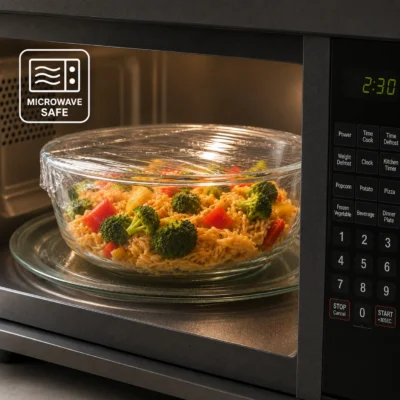
Some plastic wrap products are designed as microwave safe cling wrap, but not all products are suitable for microwave use.
Before microwaving, always check the product label.
General safety tips:
- Use only microwave safe cling wrap
- Leave a small opening for steam to escape
- Avoid direct contact between wrap and food
- Do not use plastic wrap in ovens, grills, air fryers, or stovetops
- Avoid overheating oily or sugary foods
For best results, always follow the product instructions.
How to Choose the Right Plastic Wrap in Singapore
When looking for cling film Singapore suppliers, businesses should consider more than just price.
Here are the key factors to check:
- Food Grade Quality
Choose food grade cling wrap that is suitable for direct food contact.
- Strong Cling Performance
Good cling helps seal containers tightly and keeps food protected.
- Tear Resistance
Durable plastic wrap reduces wastage and prevents tearing during use.
- Clear Visibility
Transparent food wraps allow easy food identification.
- Suitable Roll Size
Businesses should choose roll sizes that match their daily usage volume.
- BPA Free Option
BPA free cling wrap is a preferred choice for businesses that want safer food-contact packaging.
Best Practices for Using Plastic Wrap
To get better performance from plastic wrap, follow these simple tips:
- Make sure containers are dry before wrapping
- Press the wrap firmly around the edges
- Use fresh wrap for raw meat and seafood
- Do not reuse wrap that has touched raw food
- Store rolls in a cool and dry area
- Avoid placing wrap near open flames or high heat
- Label wrapped food with date and item name if needed
These habits help improve food safety and kitchen organisation.
Why Quality Plastic Wrap Matters
Low-quality plastic wrap may tear easily, lose cling quickly, or require multiple layers to seal properly. This can lead to more waste and higher long-term costs.
High-quality plastic wrap provides:
- Better sealing
- Stronger durability
- Cleaner wrapping
- More reliable food protection
- Better value for commercial kitchens
For F&B businesses, choosing restaurant-grade plastic wrap helps support smoother daily operations.
Choose Quality Plastic Wrap for Better Food Protection
Investing in quality plastic wrap is a simple way to keep food fresher for longer while supporting cleaner and more organised food storage. Whether you’re wrapping fresh ingredients, covering prepared meals, or storing leftovers, using the right food wrap helps improve efficiency in both home and commercial kitchens.
BIOGreen SG provides restaurant-grade, food-grade plastic wrap together with a wide range of food packaging solutions, including food covers, air fryer paper, cornstarch containers, and garbage bags. Browse our product range today to find reliable packaging solutions for your kitchen or business.
**Disclaimer: The images in this article are provided for illustration purposes only to help readers visualise product applications and packaging ideas. Some images may feature conceptual or customised designs that are not available from BIOGreen. Actual products, packaging, colours, sizes, and customisation options may vary. Please contact our team for the latest product specifications and available customisation services.