In every kitchen — from busy restaurants and cafés to home kitchens — keeping food fresh and protected is always important. One of the simplest yet most effective tools for this is cling wrap. This thin, transparent film plays a key role in preserving food quality, maintaining hygiene, and reducing food waste.
Also known as plastic wrap or food wrap, cling wrap seals food tightly to protect it from air, moisture, and contamination. Its flexible and self-cling design makes it easy to wrap containers, ingredients, and prepared dishes, which is why it is widely used in both commercial kitchens and households.
For restaurants, catering businesses, and food service operators, using food grade cling wrap helps ensure safe food handling while keeping ingredients fresh for longer. But while cling wrap is commonly used, many people still wonder how to use it correctly, whether it is microwavable, and how it compares to other packaging materials.
In this guide, we will explore how cling wrap food storage works, its key benefits, and how to choose the right cling wrap solution for your kitchen or business in Singapore.
What Is Cling Wrap?
Cling wrap, also known as plastic wrap or food wrap, is a thin, flexible plastic film designed to seal food tightly. Its unique self-clinging property allows it to stick to containers, plates, and even food surfaces.
Most food grade cling wrap is made from polyethylene (PE) or similar food-safe materials. These materials provide flexibility, stretchability, and transparency while maintaining food safety standards.
The primary purpose of cling wrap food storage is to:
- Preserve freshness
- Prevent contamination
- Reduce food waste
- Improve hygiene during food handling
Key Benefits of Using Cling Wrap
- Keeps Food Fresh Longer
One of the biggest advantages of cling wrap food storage is its ability to create an airtight seal. By limiting exposure to air and moisture, cling wrap slows down the spoilage process.
This helps preserve the freshness of:
- Fruits and vegetables
- Meat and seafood
- Cooked food and leftovers
- Sandwiches and bakery products
For businesses in the F&B industry, this helps reduce food waste and maintain food quality.
- Prevents Cross-Contamination
Food safety is a top priority in commercial kitchens. Food wrap acts as a protective barrier that prevents food from being exposed to contaminants such as:
- Dust
- Bacteria
- Odours from other foods
- Airborne particles
For example, raw meat stored in refrigerators can easily contaminate other food items. Wrapping them with food grade cling wrap helps maintain hygiene and food safety standards.
- Excellent Flexibility and Stretchability
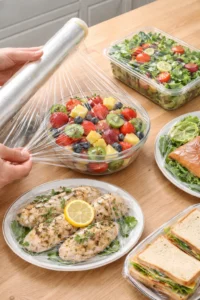
Unlike rigid packaging materials, plastic wrap is extremely flexible. It can stretch and conform to different shapes and container sizes.
This makes it ideal for wrapping:
- Bowls and plates
- Food containers
- Sandwiches and snacks
- Fresh produce
Because of its strong cling property, the wrap sticks tightly without needing additional adhesives.
- Clear Visibility of Food
Another useful feature of cling wrap food packaging is its transparency.
Users can easily identify the contents without opening the packaging, which is especially helpful in:
- Commercial kitchens
- Refrigerated displays
- Food preparation stations
This improves workflow efficiency in restaurants and catering operations.
- Convenient and Easy to Use
Cling wrap is extremely simple to use. It can be quickly cut and applied to food items or containers.
This convenience makes it a daily essential in:
- Restaurants
- Cafes
- Bakeries
- Catering services
- Home kitchens
Best Practices for Using Food Wrap
- Ensure surfaces are dry before wrapping
- Avoid excessive stretching to prevent tearing
- Press out trapped air to create a better seal
- Use fresh wrap for raw meat or seafood
These simple techniques help maximize the effectiveness of cling wrap food storage.
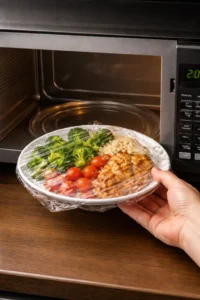
Is Cling Wrap Microwavable?
A common question people ask is: Is cling wrap microwaveable?
The answer is yes, but with proper precautions.
Most food grade cling wrap is designed to tolerate microwave heat, but it should always be used correctly.
Safe Microwave Guidelines
- Leave a small opening to allow steam to escape
- Avoid direct contact between the wrap and food
- Do not overheat fatty or sugary foods
- Use microwave-safe containers
Following these guidelines prevents the wrap from melting or sticking to food.
When Not to Use Cling Wrap
Cling wrap should not be used in:
- Conventional ovens
- Air fryers
- Stovetops
- Grills
- Toaster ovens
These appliances generate temperatures that are too high for plastic wrap.
Cling Wrap vs Plastic Wrap vs Stretch Film
Many people use the terms cling wrap, plastic wrap, and stretch film interchangeably, but they serve different purposes.
Type | Description | Common Use |
Cling Wrap | Thin film designed to stick to food and containers | Food storage and preparation |
Plastic Wrap | General term for food wrapping films | Household food storage |
Stretch Film | Thick industrial wrap used for pallets | Logistics and shipping |
Choosing the Right Cling Wrap for Your Kitchen
While cling wrap may appear to be a simple kitchen tool, it plays a significant role in food preservation, hygiene, and daily kitchen efficiency. From covering prepared ingredients to storing leftovers and protecting fresh produce, cling wrap food storage helps keep food fresh, safe, and organised in both commercial kitchens and households.
Choosing high-quality food grade cling wrap is especially important for restaurants, cafés, and food businesses where food safety and efficiency are top priorities. A reliable cling wrap should offer strong cling performance, good stretchability, clear visibility, and durable tear resistance to ensure consistent results during food preparation and storage.
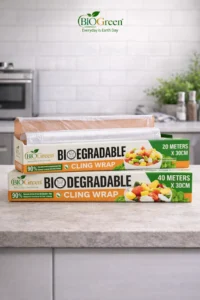
For businesses in Singapore, BIOGreen SG provides restaurant-grade cling wrap and eco-friendly food packaging solutions designed to meet the needs of modern kitchens. In addition to cling wrap, BIOGreen offers a wide range of sustainable packaging products such as cornstarch food containers, sugarcane bagasse packaging, garbage bags, air fryer paper, and food covers — helping food businesses maintain hygiene while moving toward more environmentally responsible packaging.
Keep Your Food Fresh with BIOGreen
If you’re looking for high-quality cling wrap in Singapore, BIOGreen offers dependable food packaging solutions trusted by restaurants, cafés, and F&B businesses across the country.
Explore BIOGreen’s range of food grade cling wrap and eco-friendly packaging products today to improve food safety, kitchen efficiency, and sustainable operations.
Frequently Asked Questions (FAQ) About Cling Wrap
- Is cling wrap safe for food?
Yes, food grade cling wrap is safe for food contact when used correctly. It is made from materials that comply with food safety standards and is designed specifically for wrapping food items.
To use it safely:
- Avoid exposing cling wrap to extremely high temperatures
- Do not use it in ovens or air fryers
- Follow manufacturer instructions for microwave use
Using high-quality food wrap ensures safe and hygienic food storage.
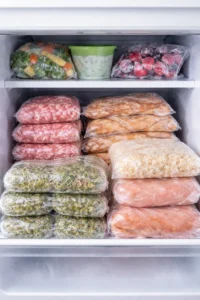
2. Can cling wrap be used in the freezer?
Yes, cling wrap food packaging can be used in the freezer to protect food from moisture and freezer burn.
However, for long-term freezing, it is recommended to:
- Wrap food tightly with cling wrap
- Place it inside a freezer bag or airtight container
This double protection helps maintain food quality for longer periods.
3. Can cling wrap touch food directly?
Yes, food grade cling wrap is designed to touch food directly.
It is commonly used to wrap items such as:
- Fruits and vegetables
- Sandwiches
- Meat and seafood
- Prepared meals
However, when microwaving food, it is best to leave a small gap between the wrap and the food to prevent overheating.