Blog

Cornstarch Packaging: The Smart, Sustainable Choice for F&B Businesses in Singapore

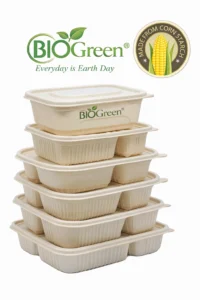
Eco bento set with logo

As sustainability becomes a growing priority in Singapore, cornstarch packaging is emerging as a practical and eco-friendly alternative to traditional plastic. From takeaway containers to biodegradable cups and cornstarch cutlery, more F&B businesses are adopting plant-based solutions to meet both environmental goals and customer expectations.

In this guide, we’ll explore what cornstarch packaging is, its benefits, real-world applications, and how it helps businesses stay competitive in Singapore’s evolving food industry.

What Is Cornstarch Packaging?

Cornstarch packaging is a type of plant-based packaging material made from renewable resources such as corn. Through a process that converts corn starch into a bioplastic (commonly known as PLA), manufacturers can create durable, food-safe packaging products.

Unlike traditional plastic, which is petroleum-based and takes hundreds of years to decompose, cornstarch packaging is:

  • Biodegradable
  • Compostable under proper conditions
  • Derived from renewable resources
  • Free from harmful toxins

This makes it a safer and more sustainable option for both businesses and consumers.

Why Cornstarch Packaging Is Gaining Popularity in Singapore

sustainable living green city

With initiatives like the Green Plan 2030 businesses are increasingly encouraged to reduce plastic waste and adopt sustainable alternatives.

Cornstarch packaging supports this shift by offering:

  • A practical replacement for plastic packaging
  • Alignment with sustainability goals and regulations
  • Stronger brand perception among eco-conscious customers

Today, customers are not just buying food — they choose brands that reflect their values.

Key Benefits of Cornstarch Packaging

  1. Environmentally Friendly

Cornstarch packaging significantly reduces environmental impact compared to plastic.

  • Breaks down significantly faster than plastic
  • Reduces landfill waste
  • Produces fewer greenhouse gases during production
  • Supports a circular economy

Compared to traditional plastic, which can take 100–500 years to decompose, cornstarch products can break down in months under the right conditions.


  1. Food-Safe and Non-Toxic

Cornstarch packaging is designed for safe food contact:

  • Chemical-free and toxin-free
  • Safe for hot and cold food
  • Does not release harmful substances

This makes it ideal for takeaway meals, beverages, and daily food use.


  1. Strong, Durable & Leak-Proof

Modern cornstarch tableware is built for commercial environments and heavy usage.

  • Heat-resistant for hot meals
  • Oil and water resistant
  • Strong structure for heavy portions
  • Leak-proof design for liquids

This ensures reliability for restaurants, cafés, and delivery businesses.


  1. Versatile Across Food Packaging Applications

Cornstarch packaging can replace plastic across a wide range of products:

  • Cornstarch cutlery / corn cutlery
  • Biodegradable food container and takeaway boxes
  • Bento box packaging
  • Biodegradable cups / plant-based cups
  • Disposable tableware and biodegradable tableware

This allows businesses to fully transition to sustainable packaging without compromising performance.


  1. Enhances Brand Image & Customer Trust

Using eco-friendly packaging is not just about compliance, it’s a marketing advantage.

Benefits for your brand:

  • Builds trust with eco-conscious customers
  • Differentiates your business from competitors
  • Strengthens brand positioning
  • Encourages repeat purchases

In a competitive F&B market, sustainability can be a key decision factor.

Cornstarch Packaging vs Plastic: A Quick Comparison

Feature

Cornstarch Packaging

Plastic Packaging

Material Source

Renewable (corn)

Petroleum-based

Decomposition Time

Months to ~1 year

100–500 years

Environmental Impact

Low

High

Food Safety

Non-toxic

May contain harmful chemicals

Brand Perception

Eco-friendly

Less sustainable

Cost

Slightly higher

Lower upfront cost


While plastic may seem cheaper initially, cornstarch packaging delivers long-term value in branding, compliance, and sustainability.

Commercial Use Cases for Cornstarch Packaging

Cornstarch packaging is widely used across different industries and business types:

Restaurants & Cafés

  • Takeaway meals using biodegradable food containers
  • Drinks served in disposable cups Singapore alternatives
  • Cutlery replaced with corn cutlery

Catering & Events

  • Full sets of biodegradable tableware
  • Sustainable packaging for large-scale operations
  • Ideal for eco-themed events and corporate functions

Cloud Kitchens & Delivery Businesses

  • Leak-proof containers for delivery
  • Durable packaging for transport
  • Supports brand sustainability messaging

Households

  • Daily use bento box and containers
  • Eco-friendly disposable tableware for gatherings
  • Safer food storage options

Is Cornstarch Packaging Worth the Investment?

Many businesses hesitate due to slightly higher costs. However, the bigger picture shows clear advantages.

Short-Term vs Long-Term Thinking

Plastic Packaging

  • Lower upfront cost
  • Environmental damage
  • No brand differentiation

Cornstarch Packaging

  • Slightly higher cost
  • Strong brand value
  • Better customer perception
  • Future-ready for regulations

The real question is not “Is it more expensive?” but
“Can your business afford not to switch?”

Common Misconceptions About Cornstarch Packaging

“It’s not strong enough”

Modern cornstarch products are restaurant-grade and designed for heavy, daily use.

“It’s too expensive”

Costs are becoming more competitive, and the ROI comes from branding and customer loyalty.

“Customers don’t care”

Singapore consumers are increasingly eco-conscious and value sustainable choices.

How to Choose the Right Cornstarch Packaging for Your Business

When selecting packaging, consider:

  • Type of food (hot, cold, oily, liquid)
  • Required durability
  • Portion size (e.g., bento box vs small container)
  • Branding opportunities
  • Volume usage

Working with a reliable supplier ensures you get consistent quality and performance.

Future-Proof Your Business with Cornstarch Packaging

The shift towards cornstarch packaging and biodegradable tableware in Singapore is no longer just a trend—it’s becoming the industry standard. With growing environmental awareness, stricter regulations, and evolving customer expectations, businesses that adopt sustainable packaging today are positioning themselves for long-term success.

Switching to cornstarch packaging is not just about sustainability—it’s a strategic business move. It helps reduce environmental impact, strengthen brand perception, meet customer expectations, and stay competitive in a rapidly changing market.

Take the Next Step Towards Sustainable Packaging

At BIOGreen SG, we provide restaurant-grade, durable, and eco-friendly packaging solutions designed for real business needs. From leak-proof containers to biodegradable cups and cutlery, our products are trusted by F&B businesses across Singapore.

Explore BIOGreen SG’s range of cornstarch packaging solutions and move towards a more sustainable, future-ready business today.

FAQ: Cornstarch Packaging in Singapore

  1. Is cornstarch packaging biodegradable?
    Yes, cornstarch packaging is biodegradable and can break down under proper composting conditions.
  2. Are cornstarch cups better than plastic cups in Singapore?
    Yes, plant based cups and biodegradable cups are more sustainable and align with Singapore’s environmental goals.
  3. Can cornstarch cutlery handle hot food?
    Yes, cornstarch cutlery is heat-resistant and suitable for hot meals.
  4. What is the difference between biodegradable tableware and plastic?
    Biodegradable tableware decomposes naturally, while plastic can take hundreds of years.
Older

Cornstarch Cup: The Eco-Friendly Alternative for Takeaway Drinks in Singapore

Newer

Biodegradable Materials: What They Really Mean for Food Packaging in Singapore

Leave a Reply

Your email address will not be published. Required fields are marked *