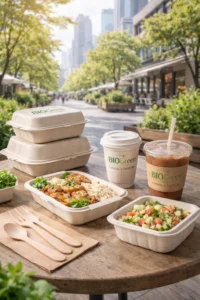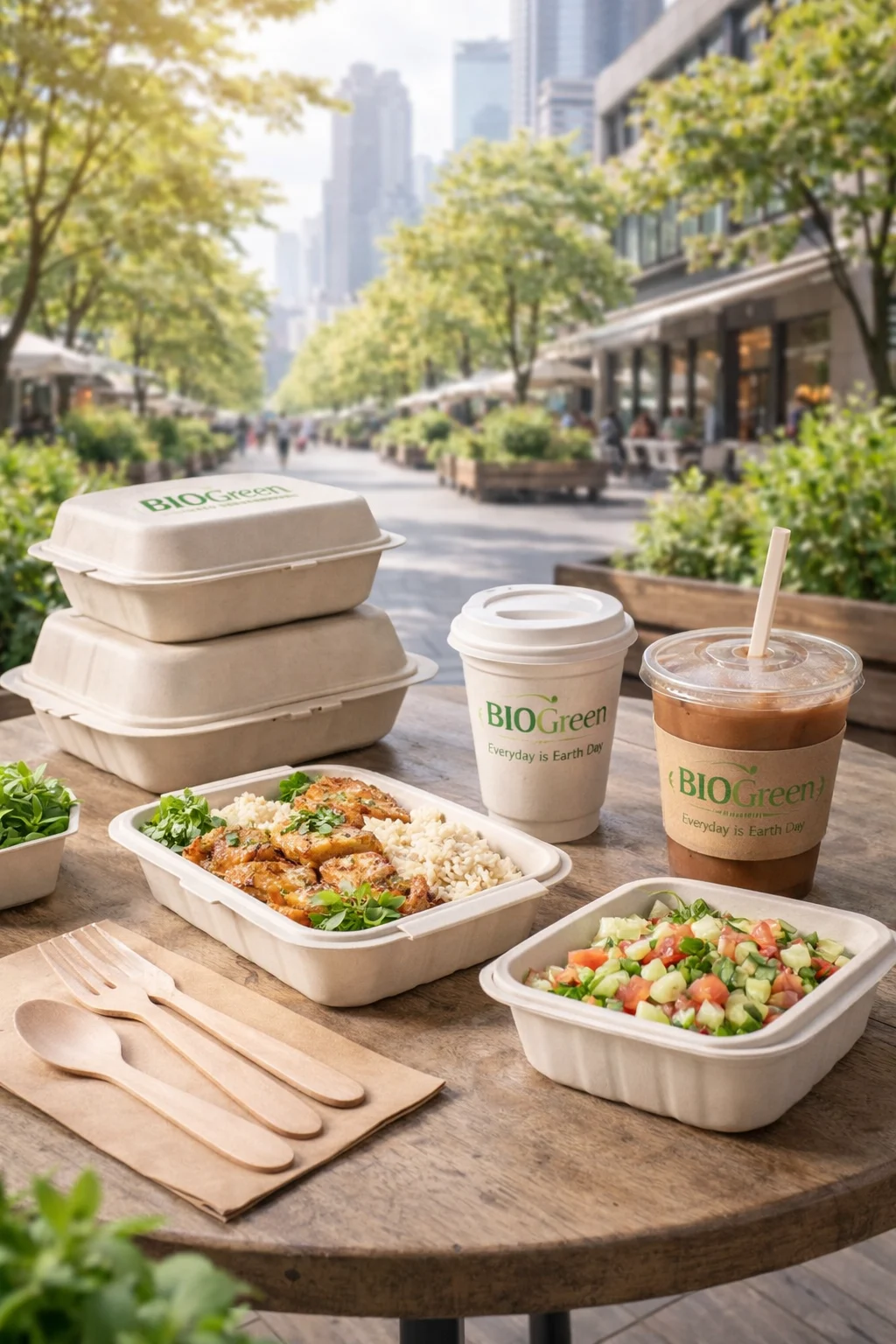
As sustainability becomes a priority for businesses and consumers alike, biodegradable materials are gaining attention—especially in the F&B industry. From takeaway containers to disposable cups, many businesses are making the shift toward greener alternatives.
But what exactly are biodegradable materials? Do they truly break down in real-world conditions? And are they the right choice for your business?
In this guide, we’ll break it down in simple terms and help you understand how biodegradable materials can benefit your operations—while supporting long-term sustainability goals.
What Are Biodegradable Materials?
Biodegradable materials are substances that can be broken down naturally by microorganisms such as bacteria and fungi into water, carbon dioxide, and biomass.
Unlike traditional plastics, which can take hundreds of years to degrade, biodegradable materials are designed to decompose faster under the right conditions.
Common Types of Biodegradable Materials in Food Packaging
- Cornstarch (PLA-based products)
- Sugarcane fiber (bagasse)
- Paper and cardboard
- Plant-based biopolymers
These materials are widely used in:
- Biodegradable tableware (plates, cutlery)
- Biodegradable food packaging (containers, bowls, cups)
- Biodegradable takeaway containers for restaurants and delivery
How Do Biodegradable Materials Break Down in Real Conditions?
One common misconception is that all biodegradable materials break down quickly anywhere. In reality, decomposition depends heavily on the environment.
Key Factors That Affect Breakdown
- Temperature – Higher temperatures speed up microbial activity
- Moisture – Essential for decomposition
- Oxygen levels – Aerobic vs anaerobic conditions
- Microorganisms – Presence of bacteria and fungi
Real-World Scenarios
Environment | Breakdown Speed | Notes |
Industrial composting | Fast (weeks to months) | Ideal conditions |
Landfill | Moderate (months to years) | Low oxygen environment |
Ocean | Very slow | Not designed for marine degradation |
Open environment | Unpredictable | May fragment instead |
This is why some products are designed to degrade only in landfill or composting conditions, ensuring they remain strong and usable during their lifecycle.
Biodegradable vs Compostable: What’s the Difference?
Many people confuse these two terms, but they are not the same.
Key Differences
Feature | Biodegradable | Compostable |
Definition | Breaks down naturally over time | Breaks down into non-toxic compost |
Timeframe | Varies (months to years) | Usually within a set period |
Conditions | May vary | Requires specific composting conditions |
End result | Natural elements | Nutrient-rich soil |
In short:
- All compostable materials are biodegradable
- But not all biodegradable materials are compostable
Understanding this difference is important when choosing eco-friendly disposable food packaging for your business.
Benefits of Using Biodegradable Materials in F&B
Switching to biodegradable materials isn’t just about sustainability, it also brings real business advantages.
- Reduce Environmental Impact
- Less plastic waste in landfills
- Lower carbon footprint
- Supports global sustainability efforts
- Meet Customer Expectations
Today’s consumers are more eco-conscious than ever.
- Customers prefer sustainable brands
- Improves brand perception
- Builds customer loyalty
- Strong and Durable Performance
Modern biodegradable packaging is designed for real commercial use:
- Leak-proof for soups and sauces
- Heat-resistant for hot food
- Durable for takeaway and delivery
- Regulatory Compliance
Singapore and many global markets are tightening regulations on plastic use.
- Stay ahead of government policies
- Avoid future compliance issues
Commercial Use Cases for Biodegradable Food Packaging
Biodegradable materials are already widely used across different industries.
Restaurants & Cafés
- Takeaway containers
- Disposable cups and lids
- Cutlery and plates
Catering & Events
- Large-scale disposable tableware
- Eco-friendly serving solutions
- Sustainable branding for events
Cloud Kitchens & Delivery Brands
- Lightweight and durable packaging
- Leak-proof containers for transport
- Enhance customer unboxing experience
Households
- Daily food storage
- Party and gathering use
- Convenient and eco-friendly disposal
Are Biodegradable Materials Always Better?
While biodegradable materials offer many benefits, it’s important to understand their limitations.
Considerations
- Not all materials break down in natural environments
- Some require industrial composting facilities
- Improper disposal can reduce effectiveness
For example:
Some biodegradable plastics can remain intact for years in the ocean because they are not designed for marine conditions.
This highlights an important point:
How to Choose the Right Biodegradable Packaging for Your Business
When selecting biodegradable materials, focus on both performance and sustainability.
Key Factors to Look For
- Material type (cornstarch, bagasse, paper)
- Durability (can it handle heavy or wet food?)
- Leak-proof design
- Heat resistance
- Certifications (food safety, biodegradability standards)
Why More Businesses Are Switching to Biodegradable Takeaway Containers
The shift toward biodegradable takeaway containers is not just a trend—it’s becoming the new standard.
Short-Term vs Long-Term Thinking
Plastic Packaging:
- Lower upfront cost
- High environmental impact
- Negative brand perception
Biodegradable Packaging:
- Slightly higher cost
- Strong brand value
- Future-proof business strategy
In today’s market, customers don’t just buy food, they support brands that align with their values.
The Future of Food Packaging Starts with Biodegradable Materials
The demand for biodegradable materials is growing rapidly as businesses and consumers move toward more sustainable choices.
While these materials are not a perfect solution on their own, they are a significant step forward in reducing environmental impact—without compromising performance.
For F&B businesses, the benefits are clear:
- Better brand image
- Stronger customer trust
- Long-term sustainability advantage
Explore BIOGreen SG’s full range of biodegradable tableware and food packaging solutions today and take the next step toward a greener, smarter business.